
INTERNATIONAL CACTUS PEAR ASSOCIATION
ICPA CACTIS MUNDIS
INTERNATIONAL CACTUS PEAR ASSOCIATION
ICPA CACTIS MUNDIS
Aquí tienes otros datos curiosos del Nopal y la Tuna:
• Identidad Nacional: Es tan central en la cultura mexicana que figura en el escudo nacional sobre el que se posa el águila.
• Consumo alto: Un mexicano promedio consume alrededor de 6.36 kg de nopal al año.
• No solo se come: La grana cochinilla, un insecto que vive en el nopal, fue utilizada desde la época prehispánica para producir un tinte rojo intenso muy valioso.
• Frutos únicos: La tuna (fruto dulce) y el xoconostle (fruto agrio) son sus productos más valorados, ricos en antioxidantes.
• El "oro verde" medicinal: Ayuda a prevenir la diabetes al estabilizar el azúcar en la sangre y protege el hígado.
• Versatilidad: Se puede comer crudo, cocido, asado, en jugo, en mermeladas, sopas e incluso en la elaboración de alimentos para mascotas y cosméticos.
• Símbolo en dichos: Popularmente se dice: "Al nopal sólo lo van a ver cuando tiene tunas", haciendo referencia a las personas interesadas.
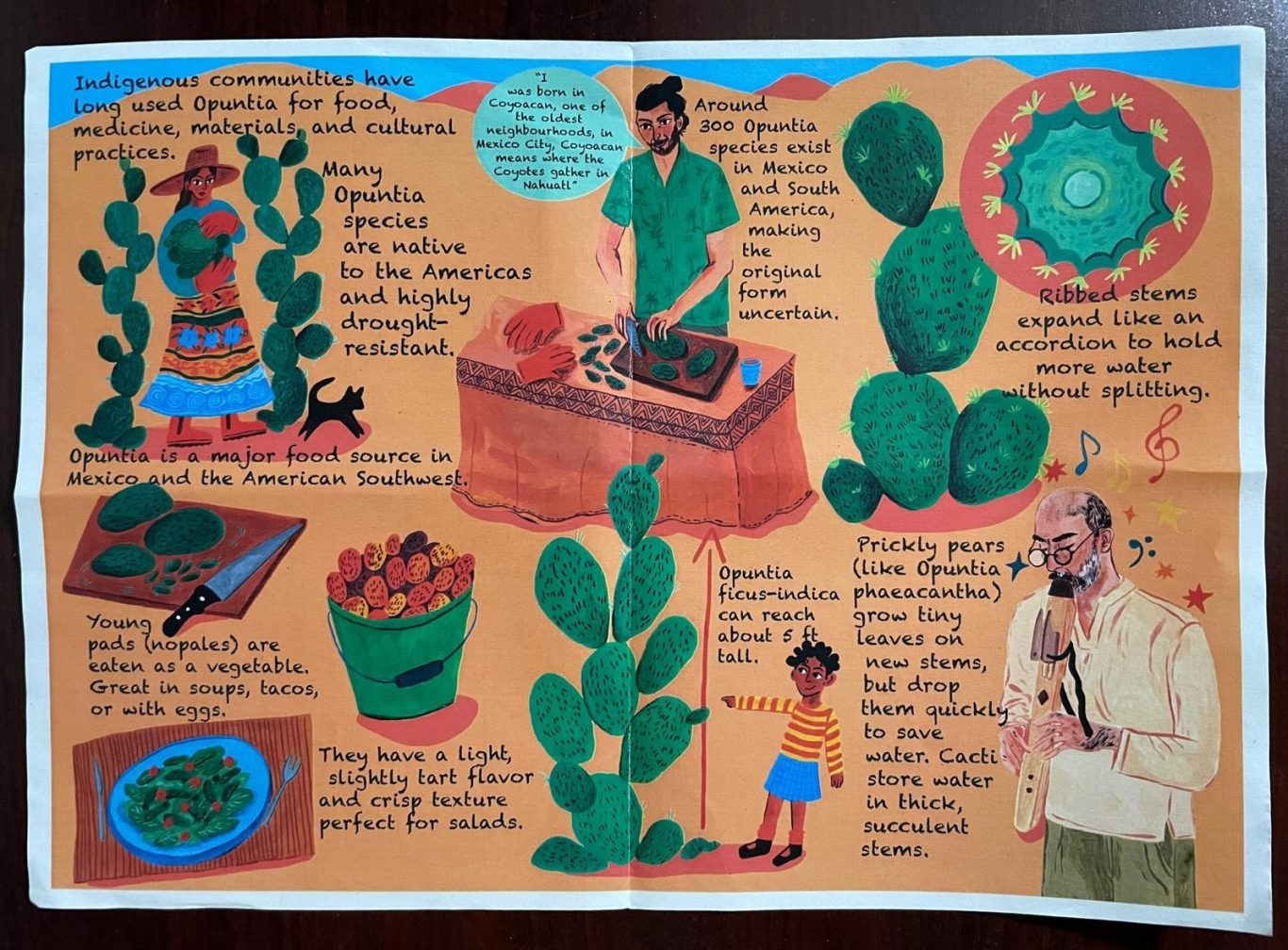
• Estructura: Las "hojas" del nopal se llaman en realidad pencas o cladodios y son tallos modificados que almacenan agua.
Here are some other interesting facts about the cactus pear and its fruit:
• National Identity: It's so central to Mexican culture that it appears on the national coat of arms, where the eagle perches.
• High Consumption: The average Mexican consumes around 6.36 kg of cactus pear per year.
• More Than Just Food: Cochineal, an insect that lives on the cactus pear, was used since pre-Hispanic times to produce a highly valued, intense red dye.
• Unique Fruits: The Tuna (sweet fruit) and the Xoconoztle (sour fruit) are its most prized products, rich in antioxidants.
• Medicinal "green gold": It helps prevent diabetes by stabilizing blood sugar and protects the liver.
• Versatility: It can be eaten raw, cooked, roasted, juiced, in jams, soups, and even used in pet food and cosmetics.
• Symbol in sayings: There's a popular saying: "People only pay attention to the cactus pear when it has fruit," referring to those who are only interested in it.
• Structure: The "leaves" of the cactus pear are actually called pads or cladodes and are modified stems that store water.
Necesitamos su consentimiento para cargar las traducciones
Utilizamos un servicio de terceros para traducir el contenido del sitio web que puede recopilar datos sobre su actividad. Por favor revise los detalles en la política de privacidad y acepte el servicio para ver las traducciones.